Entry · Ref ZSFXXY-A
Small Senior Care Residences: A Much Better Suitable For Personalized Respite and Long-Term Care
- Posted
- 2026-11-26
- Last amended
- 2026-11-26
- Account
- @martinegwo370
Business Name: BeeHive Homes of Volcano Cliffs
Address: 6230 Montaño Rd NW, Albuquerque, NM 87120
Phone: (505) 302-1919
BeeHive Homes of Volcano Cliffs
At BeeHive Homes of Volcano Cliffs, New Mexico, we offer the finest assisted living experience available in a cozy, comfortable homelike setting. Each of our residents has their own spacious room with an ADA approved bathroom and shower. We prepare and serve delicious home-cooked meals three times a day every day. We maintain a small, friendly elderly care community. We provide regular activities that our residents find fun and contribute to their health and well-being. Our staff is attentive and caring and provides assistance with daily activities to our senior living residents in a loving and respectful manner. We would like to invite you to tour and experience our assisted living home and feel the difference.
6230 Montaño Rd NW, Albuquerque, NM 87120
Business Hours
When families begin taking a look at senior care, they usually visualize big assisted living communities, with long corridors, several dining rooms, and an events calendar that looks like a cruise liner schedule. Those settings work well for numerous older adults. Yet families often inform me, after a couple of months, that something is missing out on: heat, continuity, or a sense that staff actually know their parent as an individual and not as "the fall risk in room 214."
That space is where small senior care homes, also called residential care homes or board-and-care homes in many states, silently stand out. They are not as greatly marketed, and they hardly ever have marble lobbies, however they can provide precisely what many people state they want for their aging parents: real relationships, flexible assistance, and a living environment that feels like a common home.
This matters both for long-term senior care and for short-term stays such as respite care, when a family caregiver needs a break, has surgical treatment, or deals with a momentary crisis. The fit in between an older grownup and the care environment throughout those periods can make the difference between constant improvement and fast decline.
What follows shows years of combined observation of families, residents, and caregivers in both settings, large and small. No single design is generally much better, however the strengths of small homes are underused merely because individuals do not know they exist or do not understand how to evaluate them.
What is a small senior care home?
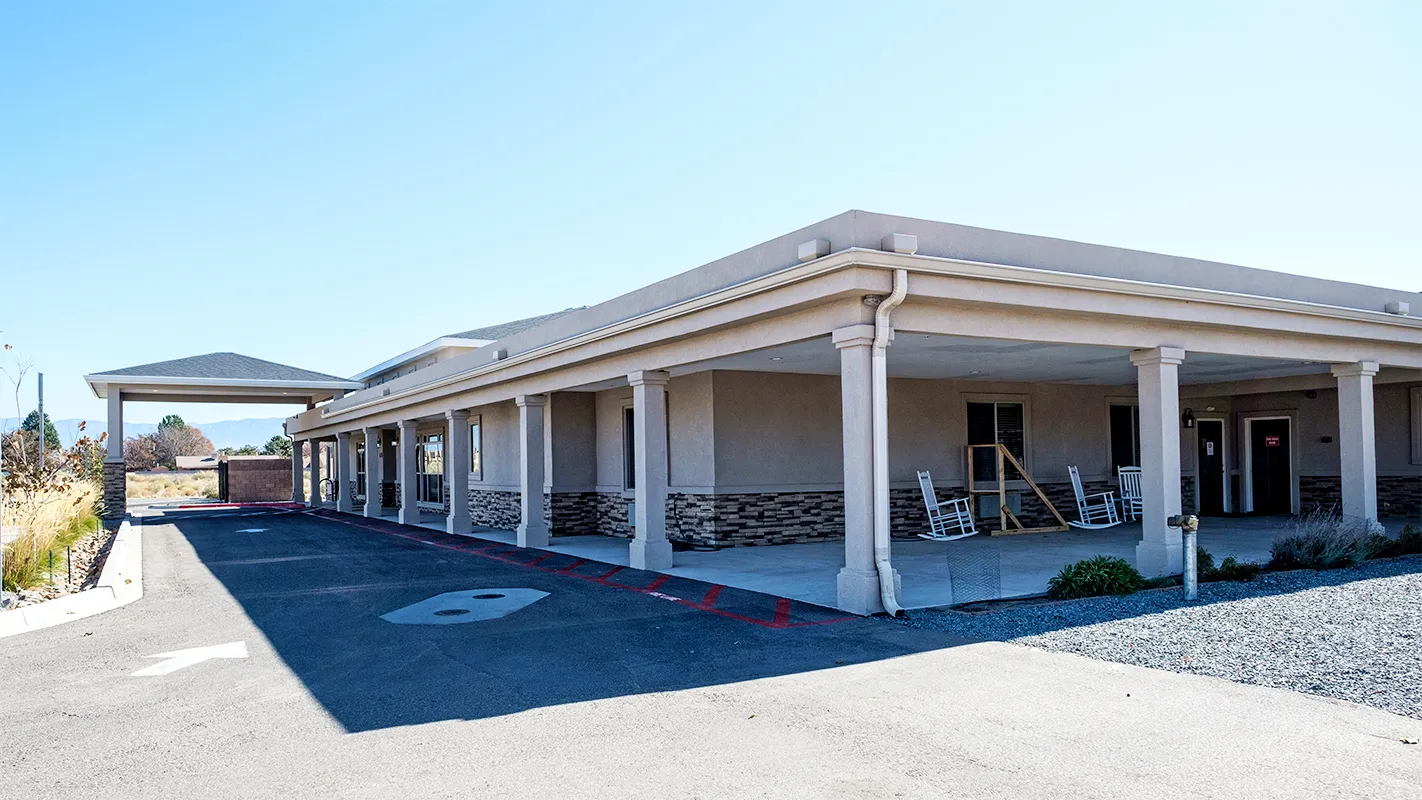
Most small senior care homes are exactly what they seem like: common homes in residential communities, transformed to provide 24/7 elderly care. Depending upon local regulations, they normally serve in between 4 and 10 homeowners. There is a kitchen area where actual cooking takes place, a living-room with familiar furniture, a backyard or patio area, and bedrooms that may be personal or shared.
They usually fall under state licensing classifications that might be called assisted living, residential care, personal care home, or something similar. The specific label varies by state, but functionally they sit in the exact same general area as assisted living, not as knowledgeable nursing centers. They offer help with activities of daily living such as bathing, dressing, toileting, movement, and medication tips. Most do not offer intensive medical treatments that require a certified nurse around the clock.
A normal staffing pattern may be one caregiver for every single 3 to five citizens during the day, and one awake caretaker at night for the entire home. The actual ratio differs, however it is normally far much better than the ratios in larger communities or nursing homes, where one aide may be assigned to 10, 15, or perhaps more citizens per shift.
Because of the small size, regimens feel far more like family life. Breakfast does not require a journey to a large dining-room. If someone sleeps late, staff can adjust. If a resident hates oatmeal and loves eggs, that choice in fact sticks in personnel's minds.
Why households start looking beyond big assisted living communities
Most families start their search with the big names. They show up, have marketing groups, and sponsor events. There is absolutely nothing wrong with that. A lot of those communities provide safe, qualified senior care.
However, several patterns tend to drive households to think about smaller settings after they have actually currently tried larger assisted living facilities.
One scenario involves cognitive decline. A resident with early or moderate dementia moves into a large structure. The first weeks go well. Then the family notifications their parent starting to separate, avoiding activities, or getting lost en route back to their space. Staff, extended thin, can not always escort them, and other homeowners come and go. The environment feels frustrating. In a small senior care respite care home, that same individual might have only a handful of faces to remember, and no long passages to navigate.
Another typical trigger is inconsistent staff. In larger facilities, turnover is high. Families often complain that the caretaker who comprehended their mother's early morning routine unexpectedly vanishes from the schedule, and the replacement does not understand how to coax her into the shower without a fight. In a home with 6 residents and a stable group of three or four caregivers, connection is far simpler to maintain.
There are also personality fits. Some older grownups grow in environments buzzing with activities, big group meals, and frequent visitors. Others invested their whole lives in small families and choose peaceful, predictable days. For them, a three-story structure with a hundred homeowners feels like an airport. A residential care home, tucked into a neighborhood, may match their sense of scale.
Why small homes can be ideal for respite care
Respite care is frequently a family's very first test drive of formal elderly care. A spouse or adult child caretaker reaches a limit, physically or emotionally, and needs a break. Or they need to take a trip for work, or recuperate from their own surgery. The aging parent needs a safe, helpful location for one to 6 weeks.
Large assisted living facilities do provide respite care, normally utilizing furnished "respite suites." The resident participates in regular activities and meals. This works finest for relatively independent older adults who delight in social interaction and can adjust quickly.
Small senior care homes, in my experience, shine when the care receiver is frail, anxious, or has moderate dementia. The shift into respite care is shorter. The list of brand-new people to discover is limited. There is normally no requirement to memorize a new design. The gives off cooking and the noises of a tv in the living room feel familiar, not institutional.
Respite remains in small homes can also be more flexible. Households often need just a vacation or a stretch of 9 or 10 days that does not adhere to a standard monthly billing cycle. A small home, with an open space, might be willing to work out day-to-day or weekly rates, particularly if they see prospective for a longer relationship later.
One of the most important, underrated benefits of using a small home for respite care is what it exposes. Caregivers can see how their parent does when toileting tips originated from someone else, or when medication times are stricter. They can observe how quickly their loved one forms bonds with brand-new caretakers. If a future long-lasting relocation is likely, these short stays make it far less disruptive.
How personalized care actually searches in a small home
The expression "customized care" is excessive used in marketing, yet you can tell really quickly whether a setting measures up to it. In a small senior care home, customization appears in small, particular ways that collect over time.
Breakfast is a good example. In large assisted living facilities, breakfast hours may be 7 to 9 a.m. Citizens line up or are seated in shifts. Menus are set. If someone arrives at 9:10, the kitchen might already be cleaning up. In a small home, you commonly see caretakers making toast at 9:45 since one resident always oversleeps, or reheating oatmeal since somebody decided they were starving again.
Bathing and hygiene follow the exact same pattern. Some locals tolerate showers just in the afternoon, not very first thing in the morning when their joints are stiff. Others choose a sponge bath most days and a complete shower two times weekly. When personnel look after six people rather of sixty, they can remember those patterns rather than requiring everyone into one routine.
Medication management likewise tends to be more flexible. While doses and times are recommended, the way reminders are delivered can be customized. One resident responds well to a gentle verbal cue, another likes her tablets presented with a particular drink. With fewer disturbances, caregivers can stay with somebody who thinks twice or refuses medication, rather than leaving since they have twelve more locals to see before 10 a.m.

Even the emotional landscape is different. In small homes, caregivers see and respond to mood shifts in genuine time. If a resident looks withdrawn, they can take a seat at the kitchen area table and inquire about it without worrying that other citizens will be left ignored. That responsiveness is what often avoids small problems, such as moderate dehydration or irregularity, from intensifying into emergency room visits.
Comparing small homes and larger assisted living communities
Families often request an easy decision: which is much better, a small residential care home or a bigger assisted living neighborhood? The truthful answer is that it depends upon the individual and the scenario. That stated, some differences appear consistently.
Here is a short comparison that can assist arrange your thinking:
- Environment: Small homes seem like real houses, with shared areas that look like a family living-room and kitchen. Large assisted living neighborhoods feel more like apartment buildings or hotels, with private houses and main dining.
- Social life: Big neighborhoods use more structured activities, outings, and chances to satisfy lots of peers. Small homes offer less group events however more intimate, everyday social contact with the same people.
- Staff interaction: In small homes, caregivers frequently know each resident deeply, however there are less specialists such as activity directors. In larger settings, the group is bigger and more specialized, but individual assistants may rotate often between residents.
- Cost structure: Large facilities sometimes promote lower base rates, then include separate charges for higher care levels. Small homes frequently price quote a more inclusive regular monthly cost that packages most care jobs into a single rate, though this varies.
- Medical complexity: For residents with highly complex medical requirements, a proficient nursing facility might be better suited than either a small home or standard assisted living. Some bigger communities have much better access to on-site clinicians, while some small homes partner closely with home health agencies or visiting nurse services.
That list shows normal patterns. There are outstanding big communities that feel warm and personal, and there are small homes that fail at the essentials. The point is to understand where each model tends to stand out so that your tours and questions are more focused.

When a small home is specifically helpful
Certain scenarios tend to benefit disproportionately from the scale and intimacy of a small residential care home.
Older grownups with mid-stage dementia frequently react effectively. Less individuals, less sound, and predictable routines reduce confusion and agitation. When someone begins to "sunset" in the late afternoon, personnel can reroute them calmly, perhaps with a cup of tea at the kitchen table, instead of trying to manage intensifying behaviors in a passage full of activity.
People prone to roaming are another group to consider. Numerous small homes have safe backyards or outdoor patios where locals can walk easily without leaving the residential or commercial property. Due to the fact that there are just a couple of homeowners, staff notification if somebody heads towards the front door aimlessly. That direct observation can be more efficient than electronic alarms in crowded hallways.
Frailer locals, who require aid with the majority of activities of daily living, tend to be a much better fit as well. A caretaker who looks after only 3 or 4 residents can pay for to move somebody slowly, check that clothes is not twisted, and invest an additional minute getting someone comfortable in their favorite chair. Those are the small pieces of self-respect that bigger settings struggle to keep when personnel are outnumbered.
Short-term respite care for people who are distressed, introverted, or quickly overwhelmed by noise is likewise smoother in a small home. I have actually seen quiet, reserved elders decrease quickly during a two-week respite remain at a large, loud center, then settle and regain cravings in a smaller setting where the total number of day-to-day interactions was manageable.
Trade-offs and restrictions of small senior care homes
The strengths of small homes do not erase their constraints. A reasonable view assists prevent frustration later.
One trade-off involves range. Activities in small homes lean heavily on conversation, television, basic video games, light workout, and individually engagement. There might not be everyday music performances, lecture series, or outings to dining establishments. For homeowners who are cognitively undamaged and delight in a full social calendar, a small home may feel constraining after the first few weeks.
Another problem is staffing depth. When a caretaker calls in ill at a large facility, there is usually a back-up pool. In a six-bed home, coverage may include the owner or supervisor actioning in. That can work perfectly if management is hands-on and committed. In weaker homes, personnel tiredness can creep in if there is no reputable alternative system.
Dietary variety can also be limited. Numerous small homes do a wonderful job with standard, home-style meals. Nevertheless, they rarely have the capability to produce customized menus for numerous different diet plans at the same time. If your parent follows a stringent religious, medical, or individual diet that deviates significantly from standard options, you require to ask comprehensive questions and see how they manage it in practice.
Regulation and oversight vary by state. Some jurisdictions check small homes with the exact same rigor as big assisted living communities. Others provide less structured oversight, which puts more responsibility on families to veterinarian the home completely. Excellent small homes welcome openness, invite concerns, and are happy to reveal documentation. If you feel you are being hurried, or your questions rejected, treat that as a major warning sign.
Lastly, there is the psychological side. Families often feel regret putting a parent in a setting that is familiar and intimate due to the fact that it does not look "fancy." They worry relatives will evaluate them for passing by the building with the grand lobby. In practice, what older adults appreciate on a daily basis is convenience, respect, and human contact, not design. It helps to keep that perspective clear when others begin comparing brochures.
How to examine a small senior care home
Touring a small senior care home needs a somewhat various state of mind than exploring a big center. Instead of scanning amenities, you are examining the quality of day-to-day life.
During the visit, pay very close attention to the state of mind of your house. Not the marketing spiel, however the sensation in the room. Do citizens look clean, appropriately dressed, and at ease? Are personnel carefully engaged or glued to their phones? Does the tv blare continuously, or does it seem to be on for a purpose?
Trust your nose. Strong odors, either of urine or heavy deodorizing chemicals, usually show care issues. A faint smell now and then can take place in any setting, but persistent smells suggest systemic problems.
Listen to how staff talk to residents. Are they utilizing names? Do they crouch or sit at eye level instead of calling from across the space? Small gestures here are necessary. Customized assisted living and elderly care depend more on tone and method than on furnishings or clever technology.
It is generally valuable to have a short, focused set of concerns prepared. For many families, these 5 cover the most essential ground:
- What is your common staff-to-resident ratio throughout days, nights, and nights?
- How do you deal with locals whose care requires increase over time?
- Can you describe a recent circumstance where a resident declined or had a medical occasion, and how your group responded?
- What type of respite care stays do you accept, and how do you transition somebody from respite to long-lasting care if that becomes necessary?
- How do you keep households informed, particularly if they live out of town?
Ask to see the restroom setup, shower location, and at least one bedroom that is not specifically staged. If your parent utilizes a walker or wheelchair, examine whether doorways and hallways are useful, not simply technically compliant. Many small homes do a good job adapting, but some older houses have tight corners that make transfers harder.
If possible, visit a 2nd time at a various hour. A home that looks calm at 10 a.m. May be disorderly at 6 p.m. During shift changes and supper preparation. Senior care is a 24-hour company. You are investing in how they manage all of it, not simply the peaceful parts.
Cost, contracts, and what to watch for
Families frequently assume that small homes are immediately less expensive. That is not constantly the case. In numerous markets, a well-run residential care home expenses approximately the same as mid-range assisted living, sometimes slightly less, often somewhat more.
What differs is how pricing is structured. Bigger communities frequently estimate a low "base rate" that covers housing, meals, and light support, then add tiered charges for greater levels of care: assist with bathing, regular transfers, specialized dementia care, oxygen management, and so on. The last expense can wind up much higher than the initial quote once a resident needs significant assistance.
Small homes regularly utilize a bundled model, where a single regular monthly fee covers all basic individual care tasks, with separate charges only for extremely complex requirements. This is not universal, however it prevails. That predictability helps families plan much better, especially for long-lasting stays.
Regardless of the model, read the agreement thoroughly. Look for:
Clauses about rate increases. Numerous companies book the right to raise rates each year or when care needs rise. Ask how often they do so in practice and by what normal percentage.
Discharge criteria. Comprehend what occurs if your parent's condition modifications. At what point would they require a higher level of care, such as a nursing home? Who makes that decision, and just how much notice are you given?
Respite care terms. If you are utilizing respite care first, check minimum stay lengths, deposits, and whether any portion is credited if you transition to long-lasting occupancy.
Refund policies. Life situations change rapidly. Make certain you understand how much notice you should supply to prevent additional charges when moving out.
Most families undervalue the length of time they may require assistance. Presuming two to 5 years of assisted living or residential care is more practical than assuming a few months. Matching the cost structure and agreement flexibility to that horizon is as important as judging the curb appeal.
Who is not a great fit for a small care home?
While I have seen lots of older grownups thrive in small homes, some are improperly served by this model.
Highly social, active elders with excellent cognition who still drive, manage their own medications, and choose independent living frequently discover small homes too restricting. They might be better off in a big community that provides enhanced social life and more autonomy, or in senior houses with a la carte services.
Individuals requiring complicated medical care offered by licensed nurses around the clock generally belong in proficient nursing or a specialized medical setting. A small home can operate in cooperation with home health or hospice in most cases, however it is not an alternative to a health center step-down unit.
There can also be character mismatches. A resident who is regularly loud, aggressive, or disruptive can overwhelm a small neighborhood of five or six people. Good homes screen thoroughly and are truthful about whether they can preserve a safe and calm environment for everybody present.
Finally, some families value eminence, on-site amenities, or brand track record above intimate care relationships. They may feel more at ease dealing with business structures and national policies. For them, a large assisted living chain may feel more foreseeable, even if the daily experience is less personal.
Starting the discussion with your family
Shifting a parent from home to any form of assisted living or elderly care involves grief, regret, and, typically, dispute among brother or sisters. Bringing a small senior care home into the conversation can in fact relieve some tension by reframing what "placement" looks like.
Instead of saying, "We are moving Mom to a center," you can say, "We discovered a home with six homeowners, where she will have her own space and someone to help her at night. Let us try a brief respite care stay and see how she feels." That softer framing matches the truth of the environment.
If you are the primary caretaker, prepare specific examples of where you are having a hard time: lifting, night-time roaming, medication timing, your own health decreasing. Compare those requirements with what the small home can realistically supply. Households tend to respond better to concrete information than to general declarations such as "I am tired."
When checking out possible homes, if possible, include your parent a minimum of when, unless their cognitive status makes that detrimental. Pay attention to their body movement. Many older grownups warm quickly to small homes because the scale advises them of familiar life stages.
The withstanding concern is constantly whether a setting offers safety without removing away personhood. Small senior care homes, when they are well run, hold that balance especially well. They are not the right response for everybody, yet they deserve a place at the top of the list for households looking for deeply personalized respite care and long-term support in a setting that feels less like a system and more like a home.
BeeHive Homes of Volcano Cliffs provides assisted living care
BeeHive Homes of Volcano Cliffs provides respite care services
BeeHive Homes of Volcano Cliffs supports assistance with bathing and grooming
BeeHive Homes of Volcano Cliffs offers private bedrooms with private bathrooms
BeeHive Homes of Volcano Cliffs provides medication monitoring and documentation
BeeHive Homes of Volcano Cliffs serves dietitian-approved meals
BeeHive Homes of Volcano Cliffs provides housekeeping services
BeeHive Homes of Volcano Cliffs provides laundry services
BeeHive Homes of Volcano Cliffs offers community dining and social engagement activities
BeeHive Homes of Volcano Cliffs features life enrichment activities
BeeHive Homes of Volcano Cliffs supports personal care assistance during meals and daily routines
BeeHive Homes of Volcano Cliffs promotes frequent physical and mental exercise opportunities
BeeHive Homes of Volcano Cliffs provides a home-like residential environment
BeeHive Homes of Volcano Cliffs creates customized care plans as residents’ needs change
BeeHive Homes of Volcano Cliffs assesses individual resident care needs
BeeHive Homes of Volcano Cliffs accepts private pay and long-term care insurance
BeeHive Homes of Volcano Cliffs assists qualified veterans with Aid and Attendance benefits
BeeHive Homes of Volcano Cliffs encourages meaningful resident-to-staff relationships
BeeHive Homes of Volcano Cliffs delivers compassionate, attentive senior care focused on dignity and comfort
BeeHive Homes of Volcano Cliffs has a phone number of (505) 302-1919
BeeHive Homes of Volcano Cliffs has an address of 6230 Montaño Rd NW, Albuquerque, NM 87120
BeeHive Homes of Volcano Cliffs has a website https://beehivehomes.com/locations/volcano-cliffs/
BeeHive Homes of Volcano Cliffs has Google Maps listing https://maps.app.goo.gl/vC78eXZrUYuJ298v9
BeeHive Homes of Volcano Cliffs has Instagram page https://www.instagram.com/beehivealbuquerquewest
BeeHive Homes of Volcano Cliffs has an TikTok page https://www.tiktok.com/@beehivehomesalbuq
BeeHive Homes of Volcano Cliffs won Top Assisted Living Homes 2026
BeeHive Homes of Volcano Cliffs earned Best Customer Service Award 2025
BeeHive Homes of Volcano Cliffs placed 1st for Senior Living Communities 2026
People Also Ask about BeeHive Homes of Volcano Cliffs
What is BeeHive Homes of Volcano Cliffs Living monthly room rate?
Our base rate is $7,100 per month. We do an assessment of each resident's needs upon move-in, so each resident's rate may be slightly higher. However, there are no add-ons or hidden fees. We also charge a one-time community fee of $2,000 at move-in
Does Medicare or Medicaid pay for a stay at Bee Hive Homes?
Medicare pays for hospital and nursing home stays, but does not pay for assisted living. Some assisted living facilities are Medicaid providers, but we are not. We do accept private pay, long-term care insurance, and we can assist qualified Veterans with approval for the Aid and Attendance program
Do we have a nurse on staff?
We do have a nurse on contract who is available as a resource to our staff but our residents' needs do not require a nurse on-site. We always have trained caregivers in the home and awake around the clock
What can you tell me about the food at Bee Hive?
You have to smell it and taste it to believe it! We use dietitian-approved meals with alternates for flexibility, and we can accommodate needs for different texture and therapeutic diets. We have found that most physicians are happy to relax diet restrictions without any negative effect on our residents
Do we allow pets?
We do allow small pets as long as the resident is able to care for them. State regulations also require that we have evidence of current immunizations for any required shots
Where is BeeHive Homes of Volcano Cliffs located?
BeeHive Homes of Volcano Cliffs is conveniently located at 6230 Montaño Rd NW, Albuquerque, NM 87120. You can easily find directions on Google Maps or call at (505) 302-1919 Monday through Sunday 10:00am to 7:00pm
How can I contact BeeHive Homes of Volcano Cliffs?
You can contact BeeHive Homes of Volcano Cliffs by phone at: (505) 302-1919, visit their website at https://beehivehomes.com/locations/volcano-cliffs/ or connect on social media via Instagram Facebook or TikTok
Residents may take a trip to the M'tucci's Italian. M'tucci's Italian provides a welcoming dining destination where families connected with Assisted living memory care senior care elderly care and respite care can gather and enjoy a meal together.